
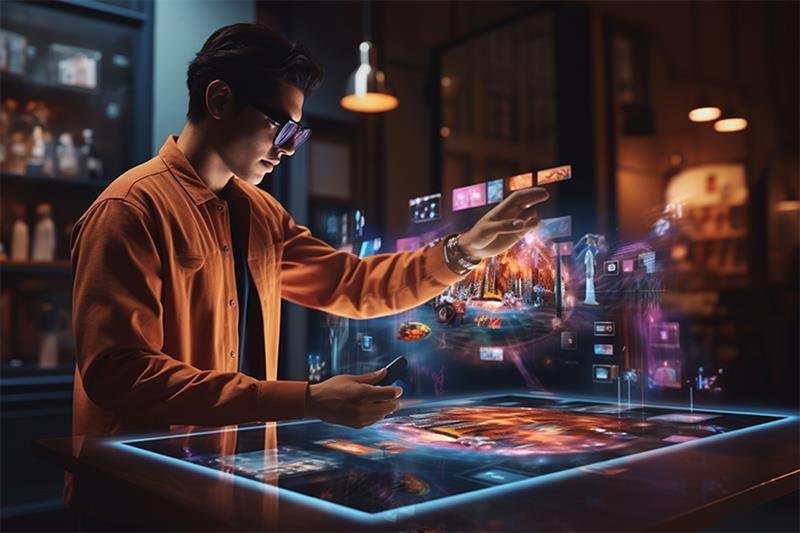
The landscape of marketing is undergoing a profound and irreversible transformation, driven by the relentless march of technological innovation. At the forefront of this revolution are Augmented Reality (AR) and the burgeoning Metaverse, two interconnected frontiers that are reshaping how brands connect with consumers, forge new experiences, and cultivate lasting loyalty. This era marks a departure from traditional, one-dimensional advertising towards immersive, interactive, and deeply engaging encounters that blur the lines between the physical and digital worlds. Brands are no longer content with merely broadcasting messages; they are actively building virtual universes and overlaying digital information onto our reality to create powerful and memorable connections.
The Dawn of a New Era: Embracing the Metaverse
The Metaverse is not just a buzzword; it represents the next iteration of the internet, a persistent, interconnected network of 3D virtual worlds where users can interact with each other, digital objects, and AI-powered agents. For brands, this signifies an unparalleled opportunity to transcend geographical limitations and create entirely new avenues for engagement. Instead of static webpages, imagine interactive storefronts within virtual cities, product demonstrations happening in simulated environments, or exclusive events accessible to anyone with a VR headset or even a standard computer. The potential for businesses to build a robust and engaging presence within these nascent digital realms is immense, promising a future where brand interactions are as fluid and dynamic as our physical lives.
Building Brand Presence in Virtual Reality Realms
Establishing a presence in the Metaverse is not simply about planting a digital flag; it requires strategic thinking and a deep understanding of the unique dynamics of these virtual spaces. Brands are experimenting with a variety of approaches, from creating their own branded virtual spaces to participating in existing popular Metaverse platforms. This could involve setting up virtual stores where customers can browse, try on digital apparel, and make purchases that can then be delivered physically or digitally. It could also extend to hosting virtual concerts, art exhibitions, or product launch events that offer a level of accessibility and immersion previously unimaginable in the physical world. The key is to offer value and entertainment, making the brand’s virtual footprint a desirable destination for users.
Creating Virtual Worlds for Brand Promotion
The most ambitious brands are moving beyond simply occupying existing spaces to actively constructing their own bespoke virtual worlds. These environments are meticulously designed to embody the brand’s ethos, aesthetic, and values, offering an immersive brand experience that goes far beyond traditional advertising. Think of a luxury car brand creating a sprawling virtual test track where users can experience their latest models firsthand, or a fashion house designing a fantastical digital runway show featuring their newest collections. These virtual worlds serve as powerful extensions of the brand’s identity, allowing for creative storytelling, interactive product exploration, and the cultivation of a dedicated community that feels deeply invested in the brand’s universe. The level of detail and interactivity within these worlds can foster a profound sense of connection, turning passive consumers into active participants in the brand narrative.
The Future of Experiential Marketing in the Metaverse
The Metaverse is poised to redefine experiential marketing, moving it from temporary physical activations to persistent, always-on virtual experiences. Gone are the days of pop-up shops that last for a weekend; in the Metaverse, brands can create enduring destinations that users can visit and engage with at their leisure. This allows for a more sustained and organic brand relationship. Imagine a sustainable fashion brand creating a virtual forest where users can learn about eco-friendly sourcing and production methods, or a gaming company hosting ongoing multiplayer quests that are intrinsically linked to their latest game releases. The possibilities for creating memorable and impactful experiences are virtually limitless, offering brands a powerful new toolkit to foster understanding, loyalty, and advocacy. The ability to measure engagement and gather data within these virtual experiences will also provide invaluable insights for future marketing endeavors.
Augmented Reality: Enhancing the Physical World
While the Metaverse focuses on creating entirely new digital realities, Augmented Reality (AR) bridges the gap between our physical world and digital information. By overlaying computer-generated images, sounds, and other data onto our view of the real world, typically through a smartphone or AR glasses, AR transforms everyday experiences into interactive and informative journeys. For marketers, this presents a revolutionary method for engaging consumers by adding a layer of digital richness to their existing environment, making brands more accessible, understandable, and interactive.
Leveraging AR in Marketing Campaigns: A Game-Changer
Augmented Reality is rapidly becoming a game-changer for brands across diverse industries. Its ability to bring products to life in a tangible, yet digital way, has revolutionized how consumers interact with brands and make purchasing decisions. AR allows for virtual try-ons of clothing and accessories, visualization of furniture in a user’s home before purchase, and interactive product demonstrations that go beyond static images and videos. This not only enhances the shopping experience but also reduces uncertainty and return rates. The novelty factor of AR also ensures that campaigns capture attention and generate buzz, driving higher engagement and shareability.
Engaging Consumers in Immersive Brand Experiences
The core strength of AR in marketing lies in its capacity to create truly immersive and engaging brand experiences. Instead of simply telling consumers about a product, AR allows them to experience it. Imagine a travel company using AR to let potential tourists explore a destination virtually from their living room, or a food brand enabling consumers to see interactive recipes and ingredient information overlaid on their kitchen counter. These experiences tap into our innate curiosity and desire for exploration, fostering a deeper emotional connection with the brand. By making information contextual and interactive, AR ensures that brands are not just noticed but are actively interacted with and remembered.
Interactive Product Visualization and Virtual Try-Ons
One of the most impactful applications of AR in marketing is its ability to provide realistic product visualization and virtual try-ons. For fashion brands, this means customers can see how a garment or accessory looks on them without physically trying it on, be it through their smartphone camera or AR glasses. Furniture retailers can empower customers to place virtual pieces in their own homes, ensuring a perfect fit and aesthetic match. This not only enhances the online shopping experience but also significantly reduces purchase hesitation and the likelihood of returns. The sense of ownership and familiarity fostered through these AR experiences can be a powerful driver of conversion.
AR-Powered Gamification and Interactive Storytelling
Augmented Reality opens up exciting avenues for gamification and interactive storytelling in marketing. Brands can create AR games that encourage exploration and discovery of products or brand-related locations. Think of a treasure hunt where users follow AR clues to unlock discounts or exclusive content. AR can also be used to bring brand stories to life in an interactive way, allowing consumers to step into a narrative and influence its outcome. This approach fosters a playful and memorable engagement, embedding the brand in the consumer’s memory through an enjoyable and rewarding experience. The inherent engagement of gamified AR experiences makes them highly shareable, amplifying their reach.
Navigating the Virtual Landscape: The Future of Marketing
The convergence of AR and the Metaverse signifies a fundamental shift in the marketing paradigm. Brands are no longer confined to traditional channels; they are now equipped with the tools to build entire universes, overlay digital experiences onto reality, and forge deeper, more meaningful connections with their audiences. This evolution is driven by a consumer base that increasingly seeks authentic, interactive, and personalized experiences. The brands that successfully navigate this virtual landscape will undoubtedly lead the charge in defining the future of marketing, creating not just customers, but dedicated brand advocates and community members. The journey into these new frontiers is ongoing, and the most exciting innovations are yet to come, promising an era of unprecedented brand-consumer interaction.
Metaverse Marketing Strategies: Creating Engaging Virtual Worlds
Developing effective Metaverse marketing strategies requires a departure from conventional approaches. Brands must focus on creating value, entertainment, and genuine utility within these virtual spaces. This involves understanding the unique social dynamics of the Metaverse, where community and shared experiences are paramount. Strategies might include hosting virtual events, developing branded games or experiences, collaborating with Metaverse influencers, and offering exclusive digital goods or collectibles. The goal is to integrate the brand seamlessly into the fabric of the virtual world in a way that feels organic and enriching for users, rather than intrusive.
Understanding User Behavior in Virtual Environments
Successful Metaverse marketing hinges on a deep understanding of user behavior within virtual environments. Unlike the physical world, digital interactions in the Metaverse are often driven by a desire for escapism, social connection, and unique experiences. Brands need to identify what motivates users in these spaces and tailor their offerings accordingly. This could involve creating opportunities for genuine social interaction, providing avenues for self-expression through customizable avatars and digital assets, or offering exclusive access to content and events. By empathizing with the user’s journey within the virtual landscape, brands can create more resonant and effective marketing campaigns.
The Role of NFTs and Digital Collectibles
Non-Fungible Tokens (NFTs) and digital collectibles are emerging as a significant component of Metaverse marketing. These unique digital assets can represent anything from virtual fashion items and accessories for avatars to exclusive access passes for events or even digital art. By offering branded NFTs, companies can create scarcity, exclusivity, and a sense of ownership within the virtual world. These collectibles can foster a strong sense of community and loyalty, encouraging users to engage more deeply with the brand in pursuit of these valuable digital assets. The ability to buy, sell, and trade these items also creates a dynamic ecosystem around the brand.
The relentless evolution of technology continues to push the boundaries of what is possible in marketing. Augmented Reality and the Metaverse are not fleeting trends but rather foundational shifts that are redefining how brands engage with consumers. By embracing these immersive and interactive technologies, companies can forge deeper connections, deliver richer experiences, and ultimately, build stronger, more enduring relationships with their audiences in the exciting new realities that lie ahead. The future of marketing is here, and it is undeniably virtual and augmented.

+91-98247-69936
+91-83207-43644

info@adwebsmedia.com
support@adwebsmedia.com

Mon – Fri
10 am – 06 pm

420, Arth Business Center
(ABC), Opposite Torrent Power
Sub Station,S.P Ring
Road, Nikol, A’bad – 382350