
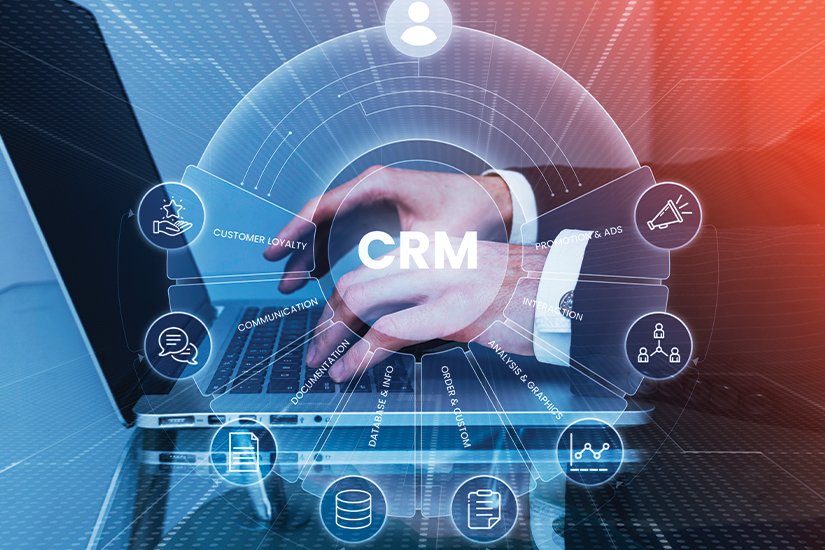
The synergy between Marketing Automation and Customer Relationship Management (CRM) systems is no longer a luxury; it’s a fundamental strategic imperative for businesses striving for sustainable growth and a superior customer experience. This powerful integration transforms how organizations attract, nurture, and retain customers by bridging the gap between marketing initiatives and sales efforts. The benefits are far-reaching, impacting everything from campaign efficiency to revenue generation and customer loyalty. By seamlessly connecting these two critical platforms, businesses unlock a comprehensive view of their customer journey, enabling more targeted, personalized, and effective interactions.
The Pillars of Progress: Understanding Marketing Automation & CRM Integration
At its core, marketing automation refers to software platforms designed to automate repetitive marketing tasks and streamline marketing workflows. This includes activities like email marketing, social media posting, and lead nurturing. CRM systems, on the other hand, are designed to manage and analyze customer interactions and data throughout the customer lifecycle, with the goal of improving business relationships with customers, assisting in customer retention and driving sales growth. The true power emerges when these two distinct yet complementary systems are integrated. This integration allows data to flow freely between them, creating a unified ecosystem that empowers both marketing and sales teams.
What is Marketing Automation?
Marketing automation platforms are designed to manage and measure marketing campaigns and sales operations. They enable businesses to automate repetitive tasks such as sending marketing emails, posting on social media, and segmenting customer lists. The primary objective is to allow marketing professionals to focus on strategy and creativity rather than getting bogged down in manual execution. Key features often include email marketing, lead scoring, landing page creation, social media management, and campaign analytics.
What is CRM?
A CRM system serves as a central repository for all customer-related information. It tracks every interaction, from initial contact and website visits to purchase history and customer service inquiries. This comprehensive view allows sales teams to understand customer needs, personalize their approach, and manage their sales pipeline effectively. CRM systems typically include features for contact management, lead tracking, sales forecasting, customer service management, and reporting.
The Synergy Unveiled: Why Integration Matters
The integration of marketing automation and CRM is not merely about connecting two pieces of software; it’s about creating a cohesive, intelligent, and responsive business engine. Without integration, marketing and sales teams often operate in silos, leading to missed opportunities and inconsistent customer experiences. Marketing efforts might generate leads that are not effectively followed up by sales, or sales teams might lack the context of recent marketing interactions when engaging with prospects. Integration breaks down these barriers. It ensures that leads generated by marketing are immediately captured and enriched within the CRM, allowing sales to prioritize and engage with the most qualified prospects. Conversely, insights from sales interactions can be fed back into the marketing automation platform, enabling more relevant and timely marketing messages.
Streamlining Campaign Management with Marketing Automation & CRM Integration
One of the most immediate and impactful benefits of integrating marketing automation and CRM is the significant streamlining of campaign management. This integration automates many manual processes that were previously time-consuming and prone to error, allowing marketing teams to execute more sophisticated and effective campaigns with greater efficiency.
Automated Lead Capture and Enrichment
When a prospect interacts with a marketing campaign—whether by filling out a form on a landing page, downloading a resource, or attending a webinar—the integrated system can automatically capture this information. Instead of manually entering data, the marketing automation platform sends the lead’s details directly into the CRM. Furthermore, the CRM can then enrich this data with additional information from existing records or external sources, providing a more complete picture of the lead before it even reaches a sales representative. This immediate capture and enrichment ensures that no potential customers fall through the cracks and that sales teams have valuable context from the outset.
Intelligent Lead Scoring and Routing
Within an integrated system, marketing automation can assign lead scores based on various criteria, such as engagement levels, demographic information, and firmographic data. These scores can be dynamically updated as the lead interacts further with marketing content. Once a lead reaches a predetermined score threshold, indicating a high level of interest and readiness, the CRM can automatically route that lead to the most appropriate sales representative based on predefined rules, such as territory, industry, or product interest. This ensures that high-priority leads receive prompt attention from the right person, significantly improving conversion rates.
Centralized Campaign Tracking and Performance Analysis
By integrating the two platforms, businesses gain a unified view of campaign performance. Marketing automation tools provide detailed analytics on open rates, click-through rates, conversion rates, and engagement across various channels. When integrated with the CRM, these metrics can be linked directly to sales outcomes, such as opportunities created, deals closed, and revenue generated. This allows for a comprehensive analysis of which marketing activities are most effective in driving revenue, enabling marketers to optimize their strategies and allocate their budgets more effectively. The ability to track the entire customer journey from initial marketing touchpoint to closed deal provides invaluable insights for continuous improvement.
Enhancing Customer Engagement through Automated Workflows
Beyond campaign management, the integration of marketing automation and CRM is a powerful catalyst for enhancing customer engagement. By automating personalized communication and nurturing processes, businesses can build stronger relationships and foster greater loyalty.
Personalized Communication at Scale
The wealth of data residing in the CRM, when leveraged by the marketing automation platform, allows for highly personalized communication. Instead of generic mass emails, marketers can segment their audiences based on specific attributes, behaviors, and preferences stored in the CRM. Automated workflows can then trigger personalized emails, SMS messages, or social media updates based on these segments. For instance, a customer who recently purchased a product might automatically receive follow-up emails with tips on how to use it, or complementary product recommendations. This level of personalization makes customers feel understood and valued, leading to increased engagement and a higher likelihood of repeat business.
Proactive Customer Nurturing and Support
Automated workflows can be designed to proactively nurture leads and existing customers, guiding them through their journey. For example, if a prospect shows interest in a particular product but doesn’t convert immediately, an automated email sequence can be triggered to provide them with more information, case studies, or testimonials related to that product. Similarly, for existing customers, automated workflows can be set up to identify potential churn risks—perhaps by monitoring low engagement or negative feedback—and trigger proactive outreach from customer success or support teams. This proactive approach not only helps close deals but also significantly improves customer retention and overall satisfaction.
Timely and Relevant Follow-Ups
The integration ensures that follow-up occurs at the most opportune moments. If a customer visits a pricing page multiple times but doesn’t complete a purchase, an automated workflow can trigger a personalized email from sales offering assistance or a special discount. If a customer has a support ticket open, automated reminders can be sent to both the customer and the support agent to ensure timely resolution. This responsiveness, driven by automated workflows reacting to customer behavior, creates a seamless and positive experience that builds trust and strengthens the customer relationship.
Leveraging Data for Personalized Campaigns with Marketing Automation & CRM Integration
| Metrics | Results |
| Conversion Rate | 15% |
| Click-Through Rate | 25% |
| Open Rate | 30% |
| Customer Engagement | Increased by 20% |
The true power of this integration lies in its ability to transform raw data into actionable insights that fuel hyper-personalized marketing efforts. By unifying customer data, businesses can move beyond broad segmentation to individual-level personalization.
Unified Customer View for Deeper Insights
The CRM acts as the single source of truth for customer data. When integrated with marketing automation, this comprehensive view becomes accessible to marketing teams. This includes not only contact information and purchase history but also website interactions, email engagement, support ticket resolutions, and social media activity. This unified view allows marketers to gain a profound understanding of each customer’s journey, their preferences, their pain points, and their value to the business. This deep understanding is the foundation for truly effective personalization.
Dynamic Content Personalization
Leveraging the combined data, marketing automation platforms can dynamically personalize content within emails, landing pages, and website experiences. For example, an email might showcase product recommendations tailored to a customer’s past purchases or browsing history, or a website might display different calls to action based on whether the visitor is a new prospect or a returning customer. This level of dynamic personalization makes marketing messages far more relevant and impactful, increasing engagement rates and conversion probabilities.
Predictive Analytics for Future Needs
Advanced CRM and marketing automation integrations can harness historical data to predict future customer behavior. Based on patterns and trends, the system can identify customers who are likely to be interested in specific products or services, or those who might be at risk of churning. This predictive capability allows marketers to proactively tailor campaigns to meet anticipated needs or address potential issues before they arise, shifting from reactive marketing to proactive engagement.
Improving Sales and Marketing Alignment with CRM Integration and Automated Workflows
The disconnect between sales and marketing departments has long been a source of inefficiency and lost revenue. Marketing automation and CRM integration are powerful tools for bridging this divide, fostering collaboration and driving unified strategies.
Shared Language and Goals
When marketing and sales teams work with the same data and the same systems, they naturally develop a shared understanding of the customer and the sales cycle. The CRM provides sales with the context of marketing engagement, while marketing automation allows marketers to understand how their efforts translate into tangible sales outcomes. This shared visibility promotes a more collaborative environment and aligns both teams around common goals, such as generating qualified leads and closing revenue.
Seamless Lead Handoff and Follow-Up
The automated nature of lead routing and scoring within an integrated system ensures a smooth and efficient handoff from marketing to sales. Marketing generates a lead, nurtures it, and qualifies it. Once it reaches a certain score, it’s automatically passed to sales within the CRM, along with all the relevant information about the lead’s interactions. This ensures that sales representatives have all the context they need to engage effectively and that leads don’t go cold waiting for manual transfer. Automated follow-up reminders within the CRM can also be triggered for sales reps, ensuring that no lead is neglected.
Feedback Loops for Continuous Improvement
The integration facilitates crucial feedback loops between sales and marketing. Sales can directly provide feedback within the CRM on the quality of leads generated by marketing, which marketing can then use to refine their targeting and messaging. Conversely, marketing can see which leads eventually convert to customers, providing insights into the effectiveness of their nurturing strategies. This continuous flow of information allows both teams to learn and adapt, constantly improving the efficiency and effectiveness of their combined efforts.
Maximizing Efficiency with Automated Campaign Management and CRM Integration
The overarching benefit of integrating marketing automation and CRM is the dramatic increase in operational efficiency across both departments. By automating repetitive tasks and providing a unified view of customer data, businesses can achieve more with fewer resources.
Reduced Manual Labor and Errors
Automating tasks like data entry, lead routing, and email sending significantly reduces the need for manual intervention. This not only frees up valuable time for marketing and sales professionals to focus on strategic initiatives but also minimizes the risk of human error, such as data duplication or incorrect lead assignment, which can plague manual processes.
Optimized Resource Allocation
With clear visibility into campaign performance and revenue attribution, businesses can make more informed decisions about where to allocate their marketing and sales resources. They can identify which channels and campaigns are delivering the best return on investment and adjust their strategies accordingly, ensuring that resources are directed towards the most impactful activities. This data-driven approach to resource allocation is a cornerstone of efficient operations.
Faster Sales Cycles and Increased Revenue
By streamlining lead nurturing, improving lead quality, and ensuring timely sales follow-up, the integration directly contributes to shorter sales cycles. When leads are well-qualified and sales teams have the necessary information to engage effectively from the outset, deals can move through the pipeline more rapidly. This acceleration of the sales process, coupled with improved conversion rates, ultimately leads to increased revenue generation and a more robust bottom line.
Overcoming Challenges in Marketing Automation & CRM Integration Implementation
While the benefits of marketing automation and CRM integration are substantial, the implementation process itself can present challenges. Navigating these hurdles effectively is crucial for realizing the full potential of this powerful combination.
Data Silos and Quality Issues
One of the most common challenges is dealing with existing data silos and inconsistent data quality across different systems. Before integration, data may reside in disparate spreadsheets, legacy systems, or other disconnected platforms. Ensuring that data is clean, de-duplicated, and standardized before migrating it into the integrated system is paramount. This often requires significant data cleansing efforts and establishing clear data governance policies going forward to maintain data integrity.
Technical Integration Complexity
Connecting two complex software systems requires technical expertise. The specifics of the integration will depend on the chosen CRM and marketing automation platforms, as well as whether custom integrations or pre-built connectors are used. Ensuring that the integration is robust, scalable, and reliable requires careful planning, thorough testing, and often the assistance of integration specialists or IT professionals. Compatibility issues between different versions of software or the need for custom field mapping can add layers of complexity.
Change Management and User Adoption
Perhaps the most significant challenge is ensuring user adoption. Employees who are accustomed to existing workflows may resist new tools and processes. Effective change management involves clear communication about the benefits of integration, comprehensive training programs, and ongoing support for users. Getting buy-in from both marketing and sales teams, and demonstrating how the integrated system will make their jobs easier and more effective, is critical for successful adoption and ultimately, realizing the return on investment. Without user buy-in, even the most sophisticated integration will fall short of its potential.
Defining Clear Processes and Workflows
Successful integration requires a clear understanding of existing business processes and a willingness to adapt them to leverage the capabilities of the integrated systems. This involves mapping out sales and marketing workflows, defining lead qualification criteria, establishing scoring models, and detailing the automated nurture sequences. Without clearly defined processes, the integration can become a collection of disconnected features rather than a cohesive and efficient system. Ongoing review and refinement of these processes are also essential as business needs evolve.

+91-98247-69936
+91-83207-43644

info@adwebsmedia.com
support@adwebsmedia.com

Mon – Fri
10 am – 06 pm

420, Arth Business Center
(ABC), Opposite Torrent Power
Sub Station,S.P Ring
Road, Nikol, A’bad – 382350