The rhythm of commerce often beats in tune with the seasons. From the vibrant energy of spring to the cozy anticipation of winter, each period brings with it unique consumer behaviors, desires, and opportunities. For businesses aiming to thrive, understanding and strategically engaging with these seasonal shifts is not just beneficial; it’s paramount. This necessitates a proactive approach to campaign planning and the astute deployment of timely promotions.
The Cornerstone of Success: Understanding Seasonal Campaign Planning
Seasonal campaign planning is the art and science of aligning marketing efforts with the predictable ebbs and flows of consumer interest throughout the year. It’s about looking beyond the day-to-day and forecasting the periods when specific products, services, or themes will resonate most effectively with your target audience. This foresight allows businesses to move from reactive, last-minute efforts to a well-orchestrated strategy that maximizes reach and impact.
Why Proactive Planning Outperforms Reactive Measures
The frantic nature of reactive marketing can lead to missed opportunities and inefficient resource allocation. When campaigns are planned weeks or months in advance, businesses can dedicate sufficient time to research, creative development, media buying, and logistical preparation. This also allows for the creation of more compelling and cohesive marketing messages, rather than rushed, disjointed promotions. Furthermore, proactive planning enables businesses to secure better rates with media partners by booking in advance, which can significantly impact overall campaign ROI. It also allows for the testing and iteration of different creative concepts and promotional offers to identify what performs best before the main campaign launch.
Identifying Your Business’s Seasonal Peaks and Troughs
Every business, regardless of industry, experiences seasonal variations. For a florist, spring and Valentine’s Day are obvious peaks, while summer might represent a trough. For a winter clothing retailer, the colder months are prime time. However, seasonality can be more subtle. Consider the back-to-school season for educational institutions or office supply companies. Even a tech company might see a surge in sales for new product launches in anticipation of the holiday season, or during specific periods of major sporting events when relevant merchandise experiences increased demand. Analyzing past sales data, market trends, and competitor activities is crucial to identifying these patterns accurately. Understanding when consumers are most likely to buy, and what they are likely to buy, forms the bedrock of effective seasonal campaign planning. This analysis should extend beyond just sales figures to include customer behavior, search trends, and social media buzz.
Aligning Product and Service Offerings with Seasonal Demand
Once seasonal demand is understood, the next step is to ensure your product and service offerings are aligned. This might involve introducing new products or services that cater to specific seasonal needs or desires. For instance, a restaurant might introduce a summer menu with lighter, seasonal ingredients or a winter menu focused on hearty, warming dishes. Alternatively, businesses can re-package existing products or create bundle deals that are particularly appealing during certain times of the year. Limited-edition items that are only available for a specific season can also generate excitement and urgency, driving sales. The key is to present your offerings in a way that directly addresses the current mood, needs, or aspirations of your target audience. This alignment ensures that your marketing message finds a receptive audience and that consumers recognize the relevance of your brand at that particular moment.
Unlocking Holiday Sales: The Power of Timely Promotions
The holiday season, a period of heightened consumer spending and festive spirit, presents an unparalleled opportunity for businesses. Leveraging timely promotions during this critical period is not merely about offering discounts; it’s about understanding the psychological drivers of holiday shopping and crafting offers that tap into those motivations.
The Psychology of Holiday Shopping and Promotional Offers
Holiday shopping is often driven by a complex interplay of factors including gift-giving traditions, personal indulgence, the desire for good value, and the pressure to complete purchases by specific deadlines. Consumers are often in a more receptive mood for spending, but they are also actively seeking out deals. Timely promotions, such as early bird discounts, limited-time offers, and bundled deals, can effectively tap into these psychological triggers. The urgency created by a ticking clock or a limited quantity can propel hesitant buyers to make a decision. Furthermore, the perceived value of a promotion during the holidays can be amplified, as consumers often see purchases as either thoughtful gifts or well-deserved treats.
Crafting Irresistible Holiday Offers
To create irresistible holiday promotions, businesses must go beyond simple price reductions. Consider offering exclusive holiday bundles that combine popular products at a special price. Gift-with-purchase incentives can add significant perceived value and encourage larger order sizes. Loyalty program members might receive early access to sales or exclusive discounts, fostering a sense of appreciation and encouraging repeat business. For online retailers, free expedited shipping can be a crucial incentive, addressing the common holiday shopper’s anxiety about delivery times. Similarly, personalized recommendations and curated gift guides can help shoppers navigate the overwhelming array of options and make purchasing decisions easier. The key is to offer something that feels special, convenient, and provides exceptional value during this peak gifting and shopping period.
The Impact of Urgency and Scarcity in Holiday Campaigns
Urgency and scarcity are powerful psychological levers that can significantly boost sales during the holiday season. Phrases like “limited stock,” “offer ends soon,” or “while supplies last” create a sense of immediate need. This is particularly effective when combined with attractive discounts or exclusive product offerings. Consumers are often motivated to act quickly to avoid missing out on a desirable deal or product. Implementing countdown timers on websites or in email campaigns can visually reinforce the urgency. The fear of regret, or “fear of missing out” (FOMO), is a potent driver of consumer behavior, and well-executed scarcity tactics can effectively capitalize on this during the high-stakes holiday shopping period, ensuring that your promotions translate into tangible sales.
Event-Based Marketing Strategies for Seasonal Campaigns
Beyond the traditional holiday calendar, numerous events throughout the year offer fertile ground for targeted marketing campaigns. Event-based marketing allows businesses to connect with consumers at moments of heightened interest and engagement, making their messages more relevant and impactful.
Leveraging Sporting Events and Cultural Celebrations
Sporting events, from the Super Bowl to the Olympics, and cultural celebrations, like St. Patrick’s Day or Cinco de Mayo, provide excellent opportunities for event-based marketing. These occasions often generate significant consumer excitement and a shared sense of occasion. Businesses can align their promotions with these events by offering themed products, running themed campaigns, or sponsoring relevant activities. For example, a beverage company might offer special promotions around a major championship game, or a restaurant could feature special menu items inspired by a cultural holiday. The key is to authentically integrate your brand into the spirit of the event, making your marketing feel natural and engaging rather than forced. This can involve social media contests related to the event, partnering with influencers who are active during these times, or creating targeted advertising that speaks directly to fans of a particular sport or participants in a cultural celebration.
Associating Your Brand with Key Milestones and Observances
Beyond major holidays and sporting events, there are countless smaller milestones and observances that can be leveraged. Think of National Coffee Day, Small Business Saturday, or even seasonal changes that represent a shift in consumer lifestyle. By identifying and associating your brand with these timely moments, you can create relevant and engaging content and promotions. For example, a bookstore could run a “National Book Lovers Day” promotion, or a fitness brand could offer a “New Year, New You” campaign that extends well into January. These smaller, more niche events can allow for more focused and personalized marketing efforts, fostering deeper connections with specific audience segments. The trick is to choose observances that genuinely align with your brand values and offerings, ensuring authenticity and resonance.
Creating Experiential Marketing Opportunities Tied to Seasonal Themes
Experiential marketing, which focuses on creating memorable brand experiences for consumers, can be incredibly powerful when tied to seasonal themes. This could involve pop-up shops during peak seasons, offering interactive displays at relevant events, or hosting workshops or demonstrations related to seasonal activities. For instance, an outdoor gear company might set up a demonstration of winter camping equipment at a ski resort, or a food company could host a festive cooking class leading up to the holidays. These experiences create opportunities for direct customer interaction, product engagement, and the generation of user-generated content. They allow consumers to not just see or hear about your brand, but to actively participate in it, forging a stronger emotional connection and leaving a lasting positive impression, especially when aligned with a specific seasonal mood or activity.
Building Your Blueprint: Creating a Holiday Promotion Calendar for Maximum Impact
| Week | Promotion Type | Target Audience | Expected Reach |
| Week 1 | Early Bird Discount | Existing Customers | 5000 |
| Week 2 | Social Media Contest | General Public | 10000 |
| Week 3 | Flash Sale | Email Subscribers | 3000 |
| Week 4 | Referral Program | Existing Customers | 2000 |
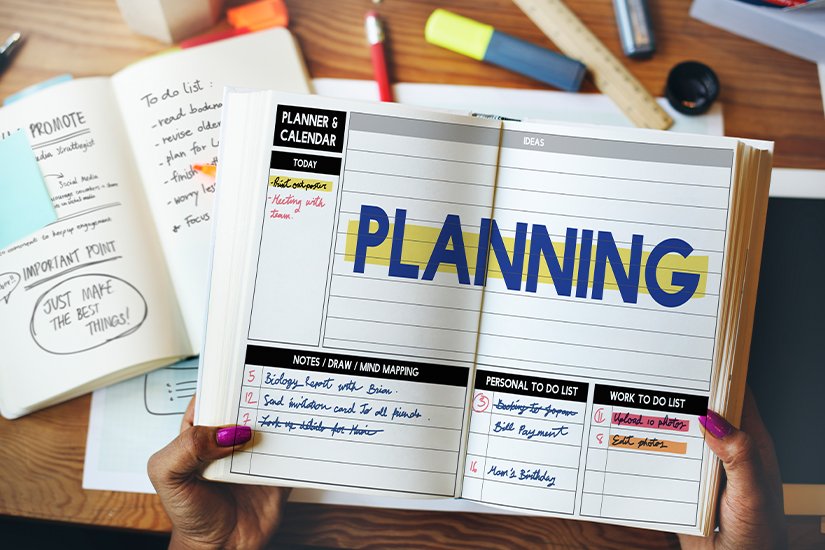
A well-defined holiday promotion calendar is the roadmap to a successful seasonal campaign. It ensures that all promotional activities are strategically sequenced, adequately resourced, and executed with precision, ultimately maximizing their impact on sales and brand visibility.
The Anatomy of an Effective Holiday Promotion Calendar
An effective holiday promotion calendar is more than just a list of dates and discounts. It’s a comprehensive plan that outlines specific promotional activities, target audiences, marketing channels, creative assets, and desired outcomes for each stage of the holiday season, from early bird shopping to last-minute rushes. This includes planning for pre-holiday awareness campaigns, mid-season sales, and post-holiday clearance events. Each entry should consider the specific objectives, whether it’s driving website traffic, increasing average order value, acquiring new customers, or boosting brand loyalty. It should also detail the specific offers, such as percentage discounts, buy-one-get-one deals, free shipping thresholds, or loyalty point bonuses. The calendar should also account for the lead time required for creative development, media booking, and inventory management, ensuring a smooth execution.
Sequencing Promotions for Sustained Consumer Engagement
The key to maximizing impact is to avoid a single, overwhelming promotional blast and instead opt for a carefully sequenced series of offers. This starts with early bird specials to capture the proactive shoppers and build momentum. As the season progresses, introduce flash sales, limited-time offers, and themed promotions to maintain consumer interest and cater to different buying motivations. Consider a “Black Friday” or “Cyber Monday” equivalent, followed by “Green Monday” or “Free Shipping Day” promotions to capture different segments of the holiday shopping public. Finally, post-holiday sales can help clear remaining inventory and capture consumers looking for post-gift-card purchases or winter clearance deals. This strategic sequencing ensures continuous engagement and prevents promotional fatigue, keeping your brand top-of-mind throughout the entire holiday shopping period.
Integrating Digital and Traditional Marketing Channels
A successful holiday promotion calendar doesn’t operate in a vacuum. It requires seamless integration across all relevant marketing channels. This includes planning for email marketing campaigns, social media advertising and organic posts, paid search advertising, influencer collaborations, and potentially even traditional media like radio or print if they are relevant to your target audience. For example, an email campaign announcing a new promotion could be amplified by targeted social media ads directed at specific demographics. Coordinating these efforts ensures a consistent brand message and a unified customer experience, amplifying the reach and effectiveness of each individual promotion. The calendar should clearly delineate which promotions will be featured on which channels and at what times, ensuring a cohesive and impactful campaign.
The Indispensable Role of Timely Promotions in Boosting Sales
In the dynamic landscape of modern commerce, timely promotions are not an optional extra; they are an indispensable tool for driving sales, influencing consumer behavior, and ultimately, achieving business objectives. Their strategic deployment can transform passive interest into active purchasing decisions.
Converting Interest into Action: The Promotional Imperative
The core function of a timely promotion is to bridge the gap between a consumer’s awareness of a product or service and their actual purchase. By offering an incentive – whether it’s a discount, a bonus, or exclusive access – businesses provide a compelling reason for shoppers to act now. This is particularly crucial in competitive markets where consumers have a multitude of choices. A well-timed promotion can be the deciding factor that tips the scales in your favor. It encourages impulse purchases, accelerates planned purchases, and can even re-engage customers who may have been considering a competitor. The immediate benefit provided by the promotion removes friction and creates a sense of value that is difficult for consumers to ignore, directly leading to increased conversion rates and sales volume.
Building Urgency and Overcoming Purchase Hesitation
Many potential sales are lost due to consumer hesitation. Shoppers might be interested but need an extra nudge, or they might be waiting for the “right” moment or price. Timely promotions are designed to overcome this inertia. By creating a sense of urgency, through limited-time offers, expiring discounts, or dwindling stock, businesses prompt consumers to make a decision before the opportunity passes. This is especially effective during periods of high demand or when consumers are actively searching for good deals. Furthermore, promotions can reduce the perceived risk of purchase. If a customer is unsure about a product, receiving it at a discounted price can make them more willing to try it out, leading to a successful first-time purchase that can then lead to repeat business.
Driving Repeat Business and Fostering Customer Loyalty
The impact of timely promotions extends beyond a single transaction. When customers have positive experiences with your brand, especially when they feel they have received exceptional value, they are more likely to return. Loyalty programs that incorporate special promotions for members, or even exclusive access to upcoming sales, can significantly enhance customer retention. By consistently offering valuable promotions during key seasonal periods, businesses can build a loyal customer base that anticipates and looks forward to these offers. This consistent engagement fosters a stronger relationship between the brand and its customers, transforming one-time buyers into advocates, which in turn drives sustained sales and long-term business growth, solidifying the indispensable nature of these promotional strategies.
The Synergy of Strategies: Integrating Seasonal Campaigns with Event-Based Marketing
The most powerful marketing initiatives are often those that weave together multiple strategic threads. Integrating seasonal campaigns with event-based marketing creates a synergistic effect, amplifying reach, relevance, and ultimately, commercial success.
Creating a Unified and Compelling Narrative
When seasonal campaigns and event-based marketing are thoughtfully integrated, they create a unified and compelling narrative for consumers. Instead of isolated promotions, customers experience a cohesive flow of relevant messaging that acknowledges both the broader seasonal context and specific moments of interest. For instance, a summer seasonal campaign for a travel company could be punctuated by event-based promotions tied to specific music festivals or outdoor sporting events happening during that period. This creates a richer brand experience, where the company feels more attuned to the consumer’s lifestyle and current interests. This integration ensures that marketing efforts are not only timely but also deeply resonant, building a stronger emotional connection with the audience, and making the brand a part of their seasonal experiences.
Expanding Reach and Amplifying Impact Through Cross-Promotion
The integration of these two strategic approaches allows for significant cross-promotional opportunities. A marketing campaign designed around a major holiday can be enhanced by tying in specific events within that holiday period. For example, a retail promotion for the back-to-school season could be amplified by partnering with a local educational fair or a family-focused community event. Conversely, an event-based campaign could be extended by aligning it with a broader seasonal theme, such as a “fall harvest festival” event that is part of a larger autumn sales campaign. This strategic overlap ensures that your message reaches a wider audience and that existing marketing efforts are reinforced by new touchpoints, leading to a broader and more profound impact on sales and brand awareness. It allows you to leverage the excitement and engagement generated by events to boost your seasonal offerings, and vice-versa, creating a powerful cumulative effect.
Enhancing Relevance and Personalization Through Data Insights
By analyzing the data from both seasonal trends and event-specific consumer behavior, businesses can gain deeper insights for even greater relevance and personalization. Understanding which types of events resonate most with your seasonal campaign audience, or which seasonal themes are most popular among attendees of specific events, allows for highly targeted and personalized marketing. For example, if data shows that consumers who attend outdoor summer concerts are also highly interested in travel to beach destinations, a travel company can tailor specific promotions to this segment during the summer season. This data-driven approach to integration ensures that your marketing is not just timely and relevant, but also remarkably personalized, making each consumer feel uniquely understood and catered to, leading to higher engagement and conversion rates.
Navigating the Landscape: Tips for Successful Holiday and Event-Based Promotions
Executing successful holiday and event-based promotions requires more than just good intentions; it demands a strategic and meticulous approach. By focusing on key principles, businesses can navigate the complexities and unlock maximum impact.
Start Early and Plan Thoroughly
The most crucial tip for any successful seasonal or event-based promotion is to begin planning well in advance. This allows ample time for market research, trend analysis, creative development, media planning, and securing the necessary resources. A rushed campaign often leads to errors, missed opportunities, and diluted impact. A detailed promotion calendar, as discussed earlier, should be the cornerstone of this early planning process, outlining every step from concept to execution and post-campaign analysis. This proactive approach ensures that when the time comes to launch, all elements are in place, and the campaign can run smoothly and effectively, maximizing its potential for success.
Know Your Audience and Tailor Your Message
Understanding your target audience is fundamental to creating promotions that resonate. Research their needs, desires, motivations, and media consumption habits. This knowledge will inform the type of promotions you offer, the messaging you use, and the channels through which you communicate. Generic promotions rarely perform as well as those that are tailored to specific audience segments. For example, a promotion for young professionals might focus on convenience and time-saving, while a promotion targeting families might emphasize value and shared experiences. Personalization, even if based on broad demographic insights, can significantly increase the effectiveness of your campaigns, making your brand feel more relatable and your offers more appealing.
Leverage Data for Continuous Improvement
The most successful promotional campaigns are not set in stone; they are dynamic and evolve based on performance data. Continuously track key metrics such as conversion rates, click-through rates, average order value, customer acquisition cost, and customer lifetime value. Analyze which promotions performed best, on which channels, and with which audience segments. Use these insights to iterate and optimize your current campaigns and to inform your planning for future seasonal and event-based initiatives. By embracing a data-driven approach to marketing, you can move from guesswork to informed decision-making, ensuring that your promotional efforts become increasingly effective over time and deliver a significantly better return on investment, establishing a cycle of continuous enhancement for all future endeavors.

+91-98247-69936
+91-83207-43644

info@adwebsmedia.com
support@adwebsmedia.com

Mon – Fri
10 am – 06 pm

420, Arth Business Center
(ABC), Opposite Torrent Power
Sub Station,S.P Ring
Road, Nikol, A’bad – 382350